
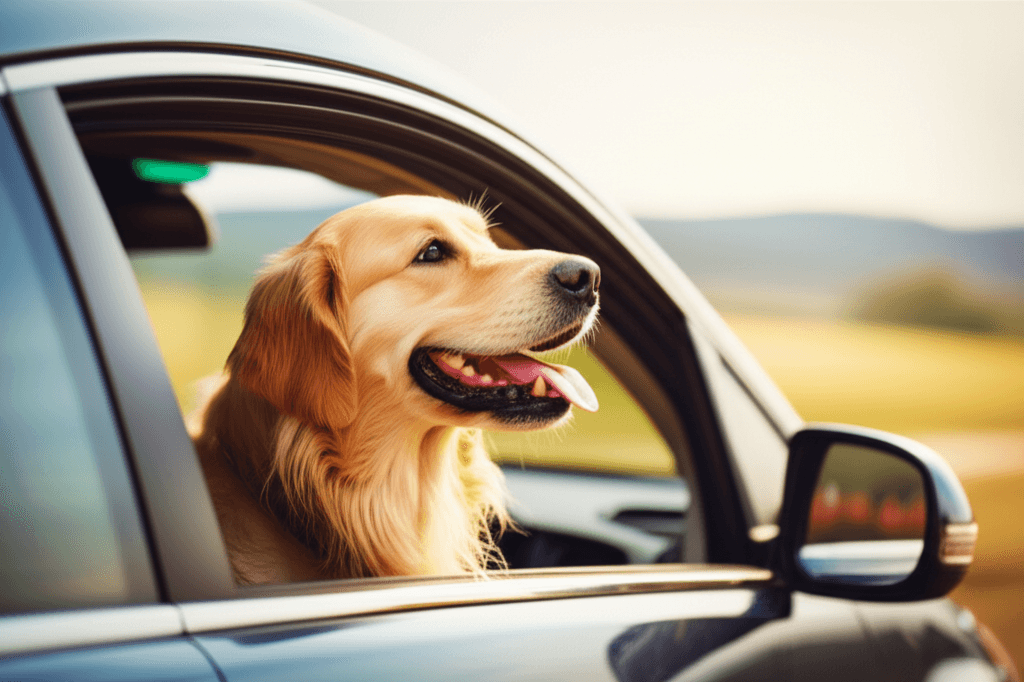
Start with the car: comfort and safety come first
A great road trip with dog energy starts long before you turn the key. The goal is simple: your pet should be secure, steady, and comfortable enough that the drive feels boring (in the best way). That’s where pet car safety really earns its keep. A loose pet can become a distraction in a sudden stop, and even a calm dog can get launched forward if you brake hard, so think “restraint + containment” rather than “they’ll just sit nicely.” For many dogs, a crash-tested harness clipped to a seat-belt system works well; for others (and for most cats), a well-ventilated carrier or travel crate that’s secured so it can’t slide is the calmer option.
Before you commit to a setup, do a quick reality check: can your pet stand up, turn around, and lie down comfortably? Is there enough airflow? Will they overheat in direct sun? If you’ve ever noticed your dog pacing, whining, or trying to climb into the front seat, that’s a hint they need clearer boundaries. A back-seat hammock or seat cover can help with footing and keep nails from slipping on upholstery, while also catching fur and muddy paws. And if your pet tends to get carsick or anxious, it’s worth doing a few short “practice drives” that end somewhere pleasant—like a quiet walk or a sniffy park—so the car stops feeling like a portal to stress.
Little cabin tweaks make a big difference on long drives. Keep the temperature stable, aim vents away from your pet’s face, and block harsh sunlight with window shades. Pack a dedicated “in-car kit” within reach—wipes, a roll of waste bags, paper towels, and an old towel for surprise messes—because the moment you need them is never the moment you want to dig through luggage. Pet travel is smoother when you treat the car like a mini living space, not just a vehicle.
Map the trip around your pet (without overcomplicating it)
The best pet travel plans are flexible, not fussy. Start with your pet’s normal routine and build from there: if your dog usually goes out every few hours, plan stops that match that rhythm. A lot of people aim for “as far as we can get,” then wonder why their dog gets restless and vocal. Instead, think of stops as part of the adventure—short decompression breaks where your pet can stretch, sniff, and reset.
Here’s a practical way to choose stop spots: look for quieter edges of busy areas rather than the most crowded pull-off. A patch of grass near the far end of a parking area is often calmer than the main entrance. Keep a leash on before any door opens (even if your dog is normally reliable), because new smells and sudden noises can flip a switch. For cats, plan fewer, calmer breaks—many cats do better staying in their secured carrier with minimal disruption, plus a quiet check-in to make sure they’re comfortable.
Food and water are where many road trips go sideways. A huge meal right before a long drive can be a recipe for nausea, so keep feeding times close to your normal routine and avoid introducing new foods mid-trip. Bring your regular diet, a familiar bowl, and a spill-resistant water option for stops. If your pet is picky about water taste, packing a few bottles of the water they’re used to can prevent the “I refuse to drink” standoff that sometimes happens away from home.
And yes, you can absolutely make the journey fun without turning it into a marathon of activities. A road trip with dog stops can include a short sniff-walk, a quick play session with a favorite toy, and a few minutes of calm sitting together before you get back in the car. That last part matters: if every stop is high excitement, some dogs struggle to settle when it’s time to drive again.
Pack like you’ve done this before (even if you haven’t)
Packing for pet travel is less about bringing everything and more about bringing the right “comfort anchors.” Familiar smells are powerful, so toss in your pet’s usual blanket or bed—something that smells like home and signals “this is our safe spot.” If your dog uses a crate at home, bringing it can make new places feel instantly more predictable. For cats, a carrier that doubles as a safe den (with a soft liner and a light cover for privacy) is often a game-changer.
ID and documentation are the unglamorous heroes of travel. Make sure your pet’s collar tag is readable and up to date, and consider a backup ID option like a tag on the harness as well. Keep a clear photo of your pet on your phone that shows markings and face shape—if you ever need it, you’ll be grateful you don’t have to scroll through 400 blurry action shots. It’s also smart to carry any relevant paperwork you might need for accommodations, grooming, or boarding emergencies, tucked into the same pocket every time so you’re not hunting for it at check-in.
Grooming and cleanup supplies deserve more respect than they get. A small brush can keep shedding from taking over the car, and it’s surprisingly soothing for some pets during downtime. Paw wipes help after muddy stops, and a lightweight towel is perfect for drying off after unexpected rain or a slobbery drink break. If your dog is prone to chewing when bored, pack a couple of long-lasting chews or enrichment toys and rotate them—novelty buys you calm.
One more insider tip: pack a “first night” bag just for your pet. Put the essentials in it—food, bowls, leash, waste bags, bed/blanket, and a toy—so you can set up their space immediately without unpacking the entire car. After a long drive, that’s the difference between a settled pet and a restless one pacing a new room.
Make every stop and overnight stay feel safe
Arriving somewhere new is where a lot of pets get overwhelmed. You’ll see it in the little things: a dog who won’t stop scanning the room, a cat who refuses to come out of the carrier, or a pet who suddenly forgets all their good manners. The fix is usually simple—create a small “home base” right away. Set up their bed or blanket in a quiet corner, offer water, and keep the first hour low-key. If you’re travelling with a dog, a short leash walk around the immediate area (not a big adventure yet) helps them learn the new “map” and relax.
Pet car safety doesn’t stop when the engine turns off, either. Busy parking areas are prime time for slips and escapes, so leash up before doors open and check your surroundings first. If you’re staying somewhere unfamiliar, do a quick scan for hazards: balconies, gaps in fences, tempting trash bins, or doors that don’t latch properly. It’s not about being paranoid—it’s about preventing the kind of mistake that ruins a trip.
If your pet is staying in a new space, keep their routine as intact as you can. Feed around the usual time, keep walks or litter routines consistent, and give them a predictable wind-down. Many dogs settle faster if you give them a job, like a chew on their bed while you unpack. Cats often do best with a smaller initial area—one room with their carrier, litter setup, food, and water—before you open up the rest of the space.
Finally, remember that pet travel is supposed to feel like shared time, not a test you have to pass. If your dog seems tired, take the shorter walk. If your cat is stressed, keep things quiet and steady. The best road trip with dog memories usually come from the simple moments anyway: the happy stretch after a stop, the calm snooze in the back seat, the little look they give you that says, “Okay, I’m with you.” Keep your setup safe, your plan flexible, and your pet’s comfort at the center—and the miles tend to take care of themselves.
