

The real reason positive reinforcement clicks
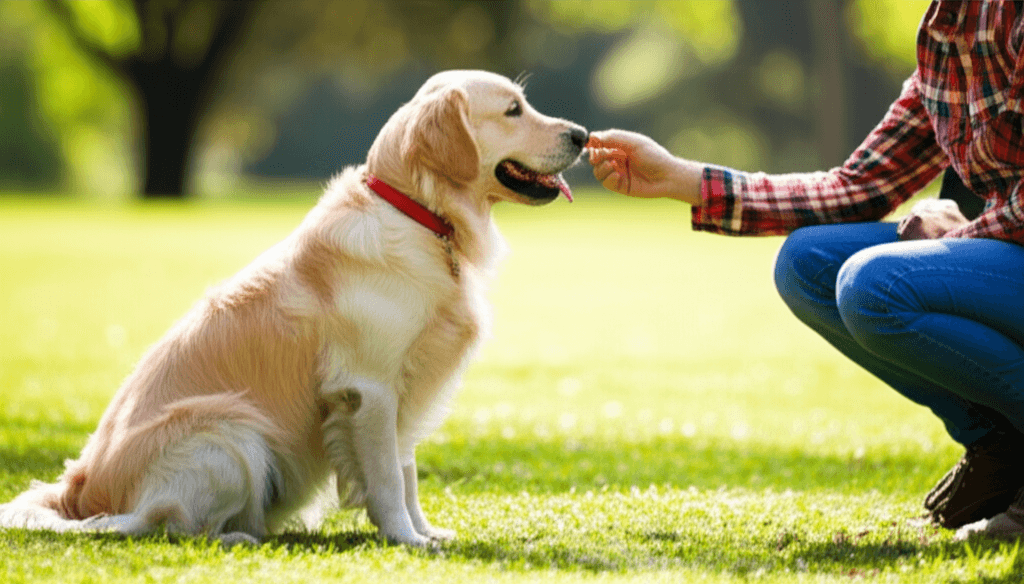
Most people don’t set out to “train a dog.” They just want everyday life to feel easier—walking without getting dragged, greeting guests without chaos, and not having to repeat “sit” five times. That’s where positive reinforcement shines. At its core, it’s simple: your dog does something you like, and something they like happens right after. The dog isn’t trying to “be good” or “be bad.” They’re learning what works, and repeating it because it pays off.
This is why positive training tends to feel so natural once you get the hang of it. Dogs are professional pattern-spotters. If “four paws on the floor” makes attention happen, they’ll start offering it. If “looking at you” makes the leash loosen and the walk continue, that glance becomes a habit. You’re not relying on intimidation or confusion—you’re building a clear little cause-and-effect map in your dog’s brain.
A lot of pet owners worry that reward based approaches mean you’re “bribing” forever. But bribery is when the dog sees the reward first and then decides whether to comply. Training is when the dog learns a behavior reliably, and rewards become part of a bigger system—sometimes food, sometimes praise, sometimes a toy, sometimes access to something they want (like going out the door). With reward based training, you’re not buying behavior. You’re teaching it.
Rewards aren’t just treats (and timing is everything)
Let’s talk about the part that makes or breaks this: timing. Dogs live in the moment, so your reward needs to land right after the behavior you want—think “now,” not “in a few seconds.” If your dog sits and you fumble around in your pocket for ages, they may stand up, sniff the floor, and then get the treat… which accidentally rewards standing up and sniffing. The fix isn’t complicated: have rewards ready, keep sessions short, and get comfortable delivering the reward quickly.
Food is popular because it’s fast and consistent, but it’s not the only option. For some dogs, a tossed toy is the jackpot. For others, being released to go sniff that interesting patch of grass is the ultimate prize. This is where reward based training gets fun—you can tailor it to your dog’s personality and the situation you’re in. If you’re working on calm behavior at the front door, a treat might be easiest. If you’re practicing recall in a safe space, a quick game of tug can be incredibly motivating.
One insider trick trainers use all the time: make rewards “small and frequent,” especially in the learning phase. Tiny treats (or tiny pieces of whatever your dog can safely eat) let you reward often without turning training into a full meal. And don’t underestimate the value of a marker—many people use a clicker, but a consistent word like “yes” works too. The marker tells your dog, “That exact thing you just did is what earned the reward,” which speeds up learning and reduces frustration for both of you.
If you’ve been comparing dog training methods online, you’ve probably seen debates about what’s “best.” In real life, what matters is clarity and consistency. Positive reinforcement gives you a clean way to communicate: do this, get that. It’s easy for families to use, and it’s kinder on everyone’s nerves when you’re training in a busy home.
Why it builds better behavior long-term
Here’s the part people don’t always realize: positive reinforcement isn’t just about getting a dog to perform cues. It’s about building a dog who wants to engage with you. When your dog learns that paying attention leads to good outcomes, you get more check-ins on walks, more willingness to try, and less of that “I’m ignoring you because I can” vibe.
Think of a common scenario: your dog jumps up when you come home. A lot of owners respond by pushing the dog away or scolding. The dog often reads that as attention—eye contact, hands, voices—and jumping continues. With positive training, you flip the script. You reward what you want instead: feet on the floor, a sit, or even just a moment of calm. The dog learns, “Jumping doesn’t work. Calm works.” And because the dog is being reinforced for a behavior you actually like, you’re not constantly policing them—you’re guiding them.
This approach also tends to create fewer “training fallout” problems. If a dog is worried about being corrected, they may shut down, avoid you, or act unpredictable in stressful moments. With reward based training, you’re more likely to see a dog who offers behaviors, experiments, and learns faster because they feel safe trying. That confidence matters when you’re teaching real-world skills like loose-leash walking, settling on a mat, or politely greeting visitors.
Another long-game advantage: you can gradually fade food rewards without losing reliability. Once a behavior is learned, you can shift to variable reinforcement—rewarding sometimes, not every time—while still paying well for the hardest versions of the behavior (like a recall away from something exciting). You’ll still reward, just not on a fixed schedule, and you’ll start using life rewards more often: permission to go sniff, freedom to run in a safe area, a chance to greet a friend.
If you’re weighing different dog training methods, ask yourself this: do you want your dog to obey because they’re avoiding something unpleasant, or because they understand what earns good things? The second option usually creates a happier household. And it’s easier to maintain when life gets busy.
Making it work in your home (without turning life into a training bootcamp)
Positive reinforcement doesn’t require long sessions or perfect technique. It works best when it’s sprinkled into normal life. If your dog sits before you put the bowl down, reward that. If they pause at the door instead of barging through, reward that. If they choose to look at you when another dog passes, reward that. These tiny moments add up quickly because you’re practicing in the situations that actually matter.
A good starting point is picking one or two behaviors that solve daily annoyances. “Go to your mat” is a classic because it helps with doorbells, meals, and busy moments. “Leave it” is another lifesaver, especially if your dog treats sidewalks like a buffet. Teach them in an easy environment first—quiet room, minimal distractions—then slowly increase the challenge. That gradual progression is a big reason positive training works so well: you’re setting your dog up to succeed instead of testing them before they’re ready.
If your dog isn’t responding, it doesn’t automatically mean they’re stubborn. Usually something is off in the setup: the reward isn’t valuable enough, the distraction level is too high, the steps are too big, or the timing is late. Try upgrading the reward, moving farther from distractions, or rewarding smaller pieces of the behavior. For example, if you want a sit-stay but your dog pops up immediately, reward one second of staying seated, then two, then three. Slow feels fast later.
Hot weather and cold weather can change the training picture, too. In hot weather, some dogs get tired faster and lose patience; shorter sessions with calmer rewards can help. In cold weather, a dog may be more amped up and pull harder just to move—so bring higher-value rewards and focus on rewarding check-ins and loose leash steps early in the walk. Training isn’t happening in a vacuum; it’s happening in a body that feels temperature, excitement, and stress.
One last practical tip: keep rewards in the places where life happens. A small treat pouch by the door, a container near the leash, a few toys handy in the living area—these little setups make it easy to reinforce good choices in the moment. That’s the quiet secret behind reward based training: you’re not waiting for a “training time.” You’re catching your dog being right.
If you’re exploring dog training methods, positive reinforcement is a strong place to start because it’s teachable, family-friendly, and focused on building skills rather than correcting mistakes. Pick one behavior you’d love to see more of this week, stock your pockets with rewards, and look for the first tiny win. Your dog will notice—and they’ll start offering more of what works.