

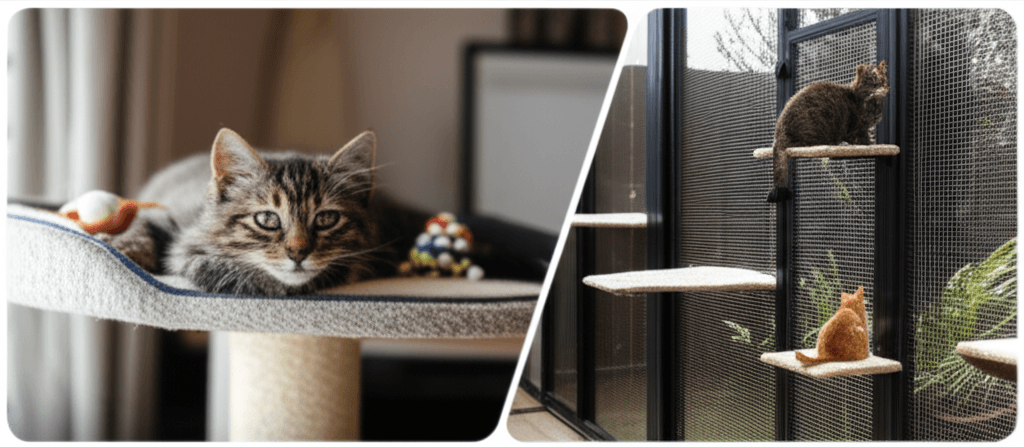
Choosing between an indoor cat life and an outdoor cat routine can feel weirdly personal—like you’re deciding what kind of childhood your cat should have. And honestly, you sort of are. Some cats sprawl across a sunny windowsill like it’s a five-star resort. Others stare at the door with the intensity of someone who swears there’s a whole second life happening on the other side.
The tricky part is that “right choice” isn’t one-size-fits-all. It’s about your cat’s personality, your living setup, and what you can realistically manage day after day. If you keep one idea at the center of the decision, make it cat safety. Freedom is great, but it shouldn’t come with a constant risk tab running in the background.
What your cat really gets from being indoors (and how to make it satisfying)
An indoor cat typically has a more predictable life, and that predictability is a big deal. Meals show up on time, the temperature stays comfortable, and there’s no need to negotiate territory with other animals. For many cats, that calm routine is exactly what lets their personality shine—more play, more cuddles (on their terms), fewer stressy surprises.
The common worry is boredom. But boredom isn’t an “indoor” problem so much as an “under-stimulated” problem. If you’ve ever watched your cat sprint from room to room for no clear reason, you already know they’ve got energy to burn. The fix usually isn’t opening the door—it’s building a richer indoor world. Think vertical space (cat trees, wall shelves, even the top of a sturdy bookcase), window perches for “cat TV,” and puzzle feeders that turn snack time into a little hunt. Rotate toys the way you’d rotate outfits: keep a few out, hide the rest, then swap weekly so everything feels new again.
If your cat is the type who yells at you like you’re late for an appointment, schedule helps. Two short play sessions a day—one that mimics stalking and chasing, one that’s more wrestling and pouncing—often takes the edge off that door-fixation. And don’t underestimate the power of a predictable “end” to play: a small meal or treat right afterward can help your cat settle, because it matches the natural hunt–eat–groom–sleep rhythm.
The real-life risks of an outdoor lifestyle (and why they’re easy to underestimate)
People often picture an outdoor cat as a little explorer living their best life. Sometimes that’s true—some cats handle the outdoors with confidence and caution. But the outdoors is also full of variables you can’t control, and that’s where cat safety gets complicated.
Even if your neighborhood feels quiet, your cat’s world is bigger than your street. Cats roam, especially once they’ve established a routine. That can mean run-ins with unfamiliar animals, tense territory disputes, or stressful encounters that leave your cat on edge when they come home. There are also everyday hazards that don’t look dramatic until you’ve lived through them: getting accidentally shut into a garage or storage area, coming home with a limp after a misjudged jump, or returning dirty and exhausted because they spent hours hiding after being startled.
And then there’s the “my cat always comes back” assumption. Many do—until one day they don’t, or they come back changed, more anxious, more reactive, less willing to be handled. That’s not meant to scare you; it’s meant to be honest about the trade-offs. If your cat is part of your family (and they are), you’re allowed to weigh the risks the same way you would for any loved one.
If you’re leaning toward outdoor access because your cat seems restless, consider whether they’re actually craving outdoors—or just craving stimulation, control, and novelty. Those needs can often be met with safer options that still feel adventurous.
If you want the best of both worlds: safer ways to offer “outside”
A lot of cat owners end up in the middle: they want an indoor cat lifestyle for safety, but they don’t want their cat’s world to feel small. Good news—there are ways to give outdoor experiences without fully committing to an outdoor cat routine.
Harness training is one of those things that sounds simple until you try it. The secret is to go slower than you think you need to. Start by leaving the harness near your cat’s favorite hangout so it becomes part of the scenery, then progress to brief wear indoors paired with something your cat loves (play, treats, grooming—whatever motivates them). The first “walks” might just be standing near an open doorway or taking a few steps in a quiet, controlled area. Some cats take to it like they were born for it; others decide it’s an insult and flop over dramatically. Either way, patience wins.
If you’ve got the space, a secure outdoor enclosure (a “catio”) can be a game-changer. It lets your cat smell the air, watch birds, and feel the breeze while you keep cat safety front and center. Even a small setup can be enriching if it includes a perch, a shaded hidey spot, and something to scratch. If you’re working with limited room, a sturdy window box-style enclosure can still offer that “I’m outside!” feeling.
For households where full outdoor access is non-negotiable, you can still reduce risk by making “coming home” easy and rewarding. Feed your cat at consistent times and call them in before meals so returning becomes a habit. Use a breakaway collar (never a fixed one) and consider visible identification. And be realistic: if your cat is shy, easily startled, or prone to bolting, outdoor time is more likely to create stress than joy.
A simple decision check: match the lifestyle to the cat in front of you
Here’s a practical way to think about it: not “Is it better to have an indoor cat or an outdoor cat?” but “Which setup fits my specific cat and my real life?” A confident, social, street-smart cat with a calm temperament may handle supervised outdoor time well. A nervous cat who hides when guests arrive might find the outdoors overwhelming, even if they act curious from behind a window.
Age and history matter too. Cats who’ve lived outdoors before may take longer to adjust to being indoors full-time, and you’ll need to replace that lost stimulation with more play, more climbing, and more interactive time. On the other hand, cats who’ve always been indoors often don’t miss what they’ve never had—unless they’ve learned that door-dashing gets them attention. (Cats are excellent at training humans.)
Your household is part of the equation. If you’re frequently busy, it’s tempting to think outdoor access will “entertain” your cat for you, but it can also mean less visibility into how they’re doing day to day. With an indoor cat, you’ll notice subtle changes faster—appetite shifts, hiding, unusual litter box habits—which can be important for overall well-being. If your home is small, you can still make it feel big to a cat by going vertical, creating cozy zones, and adding interactive feeding. If you have other pets or children, you may need to plan separate decompression spaces so your cat can truly relax.
If you’re stuck, try this: commit to a two-week “indoor upgrade” experiment before deciding. Add a window perch, introduce a puzzle feeder, schedule play, and give your cat a few new vertical options. Many cats who seem desperate to be an outdoor cat are actually desperate for a more engaging indoor life. And if, after those two weeks, your cat still seems genuinely unfulfilled, you can explore supervised outdoor options with cat safety as your non-negotiable.
At the end of the day, the best choice is the one you can maintain consistently. Cats thrive on routines they can trust. Whether your cat ends up an indoor cat with a rich, adventurous home base or an outdoor cat with carefully managed access, aim for a life where curiosity is welcomed—and safety isn’t left to chance.