

Keeping an indoor cat happy is less about buying “more stuff” and more about meeting a few very cat-specific needs every single day: hunting, climbing, scratching, and feeling safe. If you’ve ever watched your cat stare out the window like they’re plotting a dramatic escape, that’s not a sign you’re failing—it’s just a reminder that indoor life needs a little intentional enrichment. The good news is you can make a big difference with small, repeatable routines that fit into real life.
Think like a cat: hunt, climb, scratch, nap
If you want to know how to keep indoor cats happy, start by remembering what their bodies are built to do. Cats are wired for short bursts of activity followed by serious lounging, and the “activity” part usually looks like stalking, pouncing, climbing, and scratching. When those outlets are missing, you’ll often see the substitute behaviors: surprise ankle attacks, midnight zoomies, or a sudden obsession with shredding the sofa.
Play is your best tool here, but not all play hits the same. A wand toy that lets your cat stalk behind a chair, creep forward, and then pounce scratches the itch in a way that tossing a ball once or twice usually doesn’t. Try two or three mini “hunts” a day—just 5–10 minutes each—especially before you sit down to eat or wind down for bed. It’s a nice rhythm: hunt, catch, then a meal or a treat, and you’ll often get a calmer cat afterward.
Height matters more than most people think. Even confident cats relax when they can watch the room from above, and shy cats often become braver once they have a safe perch. If you don’t have space for a full cat tree, a sturdy window perch, a shelf, or even the top of a bookcase (secured and made grippy) can become their “control tower.” And yes, a view is entertainment—birds, people, weather, shadows. If the window gets a lot of sun in hot weather, make sure there’s also a cooler nap option nearby so they can choose what feels comfortable.
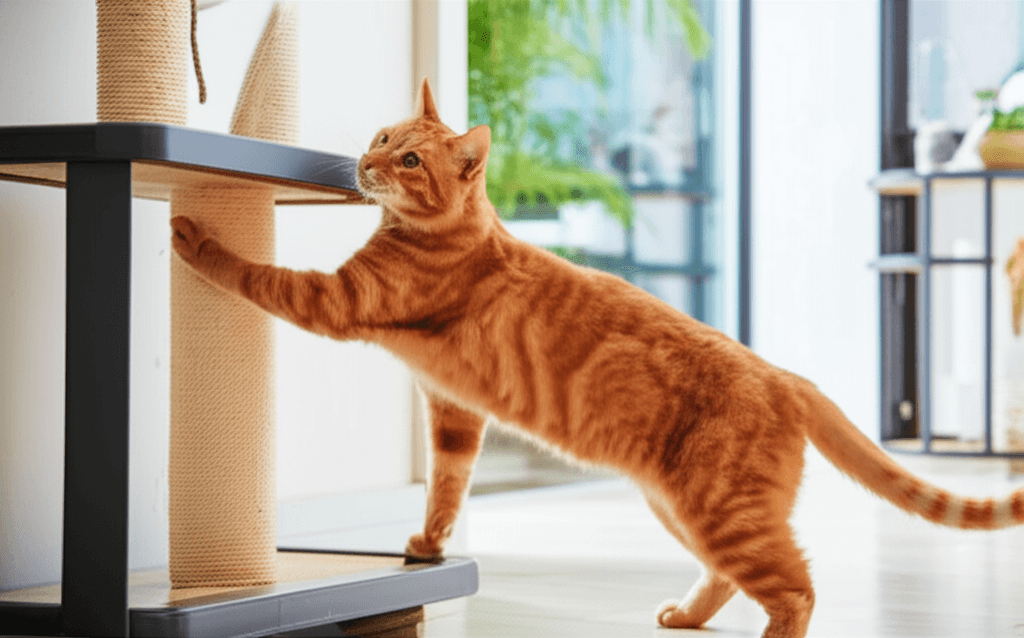
Scratching isn’t misbehavior; it’s maintenance and messaging. Your cat is stretching their back and shoulders, shedding old claw layers, and leaving scent marks that make them feel at home. Offer at least one tall vertical scratcher (long enough for a full-body stretch) and one horizontal option, because cats have strong opinions. Place one near where they already scratch and another near a favorite resting spot—cats love a good scratch after waking up.
Build a home that feels interesting (and safe)
A big part of how to keep indoor cats happy is giving them “zones” that match different moods: lookout spots, hiding spots, and cozy sleep spots. Cats don’t just want open space; they want varied space. Think of it like a studio apartment versus a place with a few nooks—same square meters, totally different vibe.
Start with the simple hiding places that make cats feel secure. A covered bed, a cardboard box turned on its side, or a quiet spot under a chair can be a lifesaver during noisy days or when visitors come over. If you have more than one cat, double the options. Cats are polite until they’re not, and a second hideaway prevents small tensions from turning into daily stress.
Then add “cat TV” that doesn’t require you to be on duty. A window perch is the classic, but you can rotate safe novelty too. Bring out a paper bag (handles removed), a new box, or a crinkly tunnel for a few days, then put it away and reintroduce it later—suddenly it’s exciting again. Even switching the location of a cat bed can make a room feel refreshed, like you rearranged the furniture for them.
Food puzzles are another quiet game-changer. Instead of serving every meal in a bowl, occasionally use a puzzle feeder or scatter a portion of dry food in a snuffle-style mat so your cat has to “forage.” It taps into that hunting brain without you needing to sprint around the living room waving a toy. Keep it easy at first; the goal is engagement, not frustration.
Don’t forget the litter box setup, because nothing ruins indoor peace faster than a cat who feels weird about their bathroom. Most cats prefer a box in a low-traffic, easy-to-access spot—not next to a loud appliance and not tucked so far away they feel trapped. Scoop often enough that you’d be willing to use it yourself (that’s the most honest benchmark), and if you have multiple cats, aim for more than one box so nobody feels like they have to stand in line.
Your daily routine is their enrichment plan
Cats love predictability, but they also get bored easily—an annoying combination until you learn the trick: keep the schedule steady, but vary the details. Feed around the same times, play around the same times, and keep your cat’s “safe places” consistent. Within that structure, rotate toys, change the play style, and introduce small new challenges.
If you’re busy, anchor enrichment to things you already do. While your coffee (or kettle) is going, do a quick wand-toy session. When you get home, toss a few treats down a hallway so your cat can chase and “win.” Before bed, do a calmer play session—more stalking, less frantic jumping—then offer dinner. Many people find that this is the easiest way to reduce those 3 a.m. wake-up yowls, because you’re working with your cat’s natural cycle rather than fighting it.
Grooming can be bonding time if you let your cat set the pace. Some cats want a quick brush and then they’re done; others melt into it like a spa appointment. Keep sessions short, stop before they get annoyed, and you’ll build trust. The same goes for handling paws, ears, and mouth gently now and then—nothing intense, just normalizing touch so care tasks are less stressful later.
And yes, indoor cats still need mental stimulation that isn’t purely physical. Training sounds like a dog thing, but cats can absolutely learn cues like “sit,” “touch,” or “go to mat” using positive reinforcement. A minute or two at a time is plenty. It’s not about obedience; it’s about giving your cat a job that earns rewards and attention.
If you live with more than one cat, watch the social dynamic like a quiet referee. Some cats adore a playmate; others tolerate one. Make sure there are multiple resting spots, multiple perches, and separate resources (food, water, litter) so nobody has to guard anything. If you notice one cat blocking a hallway or staring the other down near the litter box, that’s your cue to add another route, another box, or another elevated escape option.
Keep their body comfortable so their mood stays bright
A comfortable cat is a happier cat, and comfort is often about the small environmental details. Offer a couple of temperature choices—one warm, cozy bed and one cooler spot—so your cat can self-regulate in hot weather or cold weather. Keep water accessible and appealing too; many cats drink more when they have a wide, clean bowl placed away from food, or a pet water fountain that keeps things fresh.
Pay attention to noise and “startle zones.” A cat who’s constantly being surprised by slamming doors, loud machines, or foot traffic may become jumpy or withdrawn. You don’t need a silent home, just a predictable one. Soft-closing where possible, a quiet retreat space, and giving your cat a heads-up before you pick them up goes a long way.
Finally, keep an eye on behavior changes. If your cat suddenly stops playing, hides more than usual, seems unusually irritable, or changes eating or litter habits, it’s worth checking in with a veterinarian. You’re not looking to diagnose anything at home—just noticing what’s normal for your cat and acting early when something feels “off.”
If you’re trying to figure out how to keep indoor cats happy, here’s the simplest actionable takeaway: give them a daily “hunt,” a place to climb, a place to scratch, and a place to disappear for a nap. Do that, and your indoor cat won’t just be contained—they’ll be genuinely content, right there with you.