

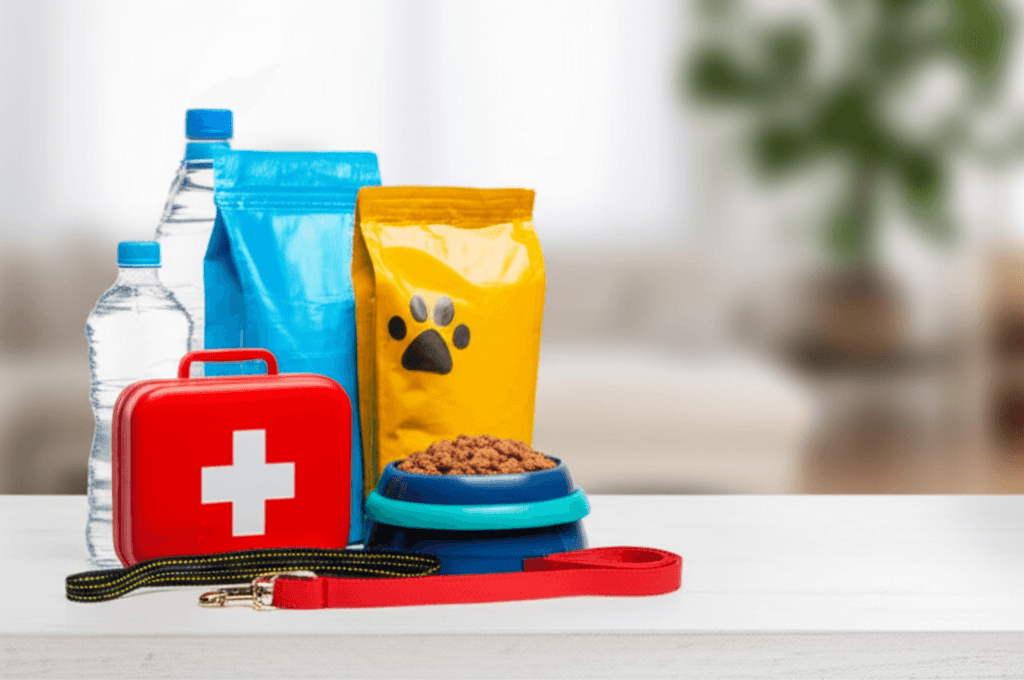
Start with the “what if” (before it becomes “right now”)
Most people don’t panic because they don’t care—they panic because they’re trying to make ten decisions at once. And when you share your life with a dog, cat, rabbit, or any other animal, those decisions multiply fast: Where’s the carrier? Do we have food? Will they bolt if the door opens? A solid pet emergency plan is basically a way to move those decisions from a stressful moment into a calm one, while you still have time.
Think about the disasters that can happen where you live—storms, flooding, fires, earthquakes, power outages, even building emergencies. You don’t need to predict the future; you just need a plan that works across scenarios. The best plans are boring (in a good way): who grabs the pet, what you take, where you go, and how you stay in control if your pet is scared. If you can practice it once or twice, even better. Pets learn patterns, and “we go to the carrier, then the car” is a pattern you want them to recognize.
One quick reality check that catches people off guard: not every shelter or temporary housing location accepts animals. That’s why your pet emergency plan should include at least two destination options—one nearby and one a bit farther—plus a backup contact who can help if you’re separated. Save these as written notes (not just in your phone), because low battery and poor signal have a way of showing up at the worst time.
Build a pet safety kit you can grab in seconds
A pet safety kit isn’t about stockpiling for months. It’s about buying yourself breathing room for the first critical stretch, when shops are closed, roads are blocked, or you simply can’t think clearly. If you’ve ever tried to measure kibble with shaking hands while your pet is pacing, you already understand why “ready-to-go” matters.
Start with the basics your pet can’t comfortably go without: food, water, bowls, and a can opener if you use canned food. Then add the items that prevent problems from spiraling—waste bags or litter supplies, paper towels, and a small cleaning spray that’s safe for pets. For dogs, a spare leash and a simple harness can be a lifesaver if a collar slips. For cats (and many small pets), a sturdy carrier is non-negotiable; in an emergency, even the friendliest cat can turn into a slippery shadow.
The best pet safety kit also includes comfort and control. A familiar blanket that smells like home can lower stress in a noisy environment. A chew, toy, or enrichment item gives anxious pets something to do besides pace and vocalize. If your pet is prone to fear, consider adding a soft muzzle for dogs (only if your dog is already trained to accept it comfortably) or a carrier cover for cats to reduce visual stressors. These aren’t “extra”—they’re the little things that keep a tense situation from escalating.
Don’t forget paperwork. Keep copies of adoption papers, microchip details, and recent photos of you with your pet (that last part helps prove ownership if you’re separated). Store them in a waterproof pouch or sealed bag. If your pet takes any routine health-related items prescribed by a professional, keep a written list of what they are and who to call—without trying to guess or adjust anything in the moment.
Here’s a practical trick that feels almost too simple: keep the kit near the exit you’d actually use. People build a beautiful kit and then store it in a closet behind winter gear, spare boxes, and a vacuum. In a real evacuation, that kit might as well be on the moon.
The pet emergency plan that actually works under stress
A pet emergency plan is less about having the perfect checklist and more about reducing friction. Under stress, you’ll do what’s easy. So make the safe choice the easy choice.
Start by assigning roles. If you live with other people, decide who is responsible for which pet, who grabs the pet safety kit, and who checks that doors and windows are secured. It sounds formal, but it prevents the classic scenario where everyone assumes someone else grabbed the cat—and then you’re calling their name in a dark hallway.
Now think through the “escape routes” inside your home. If your pet hides when startled (many cats do), identify their top three hiding spots and keep access easy. You don’t want to be moving furniture while alarms are sounding. For small pets in enclosures, practice how you’ll move them: do you transport the entire enclosure, or do you have a secure travel carrier ready? If you have multiple cats, label carriers and keep them assembled; wrestling with collapsed carriers is a special kind of chaos.
Transportation matters more than people realize. If you have a car, keep a carrier or crate that fits and can be secured so it won’t slide. If you don’t, plan how you’ll move your pet on foot or via public transport—this is where a comfortable backpack-style carrier for small pets or a lightweight carrier with a shoulder strap can make a huge difference. The goal is to keep your hands free enough to manage doors, stairs, and your own balance.
Communication is part of disaster preparedness too. Put an ID tag on your pet’s collar with current contact info, and consider a temporary tag with an alternate number (a trusted friend or family member) in case your phone is unreachable. If your pet is microchipped, double-check that the registration details are current. Many “lost pet” stories drag on simply because an old phone number is still on file.
And yes—practice. Not every week. Even once every few months is helpful. Turn it into a low-stakes drill: toss a few treats into the carrier, clip on the leash, walk to the door, then reward and go back inside. You’re teaching your pet that the carrier and leash don’t always mean something scary. That training pays off when you need it most.
Disaster preparedness day-to-day: small habits that add up
Good disaster preparedness doesn’t feel like a big project after the first setup. It becomes a couple of small habits you refresh now and then, like checking batteries or rotating pantry items.
Set a reminder to review your pet safety kit every few months. Food expires, water containers can leak, and sizes change—especially if you adopted a young pet who’s still growing. Swap out anything stale, update photos, and confirm that your carrier still feels sturdy. If you use clumping litter, make sure you have a sealed bag that won’t burst if it gets jostled. If you keep spare leashes, check clips for rust or weakness.
If hot weather is common where you are, think ahead about heat stress during evacuations and power outages. You’re not trying to “treat” anything—just prevent avoidable trouble. Pack a collapsible water bowl, offer water regularly, and plan for shade and airflow during travel. In cold weather, add an extra blanket and make sure your pet can stay dry; damp fur and drafts can make pets miserable fast.
One underrated part of disaster preparedness is behavior. A pet that comes when called and is comfortable being handled is easier to keep safe. Practice gentle restraint and handling in a positive way—touch paws, lift briefly, reward calmness—so if you ever need to carry your pet through a crowded space, it’s not the first time they’ve been picked up in a hurry.
If you have a dog who startles at loud noises, you can also build calmer routines around sound. Play recordings at low volume during relaxed times, pair them with treats, and keep it casual. You’re not trying to “fix” fear overnight; you’re just making the world feel a little more predictable. For cats, focus on carrier comfort: leave the carrier out, toss treats inside, and let it become part of the furniture instead of a symbol of doom.
Finally, keep your plan shareable. Write down your key steps—who does what, where the kit is, where you’ll go—and put a copy somewhere obvious. If a neighbor or friend needs to help you in a rush, they shouldn’t have to guess. The whole point of a pet emergency plan is that it works even when you’re not at your best.
If you do one thing today, make it this: set up your grab-and-go pet safety kit and do a quick carrier/leash practice run. It’s a small afternoon task that can buy you a lot of control later, when the world feels anything but controlled.